Gym culture has changed a lot over the years, but some outdated ideas still hang around. Traditionally, weight rooms were seen as “men’s spaces,” while cardio machines and group fitness classes were marketed more toward women. This divide didn’t happen by accident. In the early days of gyms, training spaces were dominated by male bodybuilders, and women were often excluded altogether. As gyms became more mainstream, those early habits stuck.
Fitness marketing only made things worse. For decades, women were told to avoid heavy weights to prevent “bulking up” and instead focus on staying slim through cardio or light classes. But modern fitness science tells a very different story.
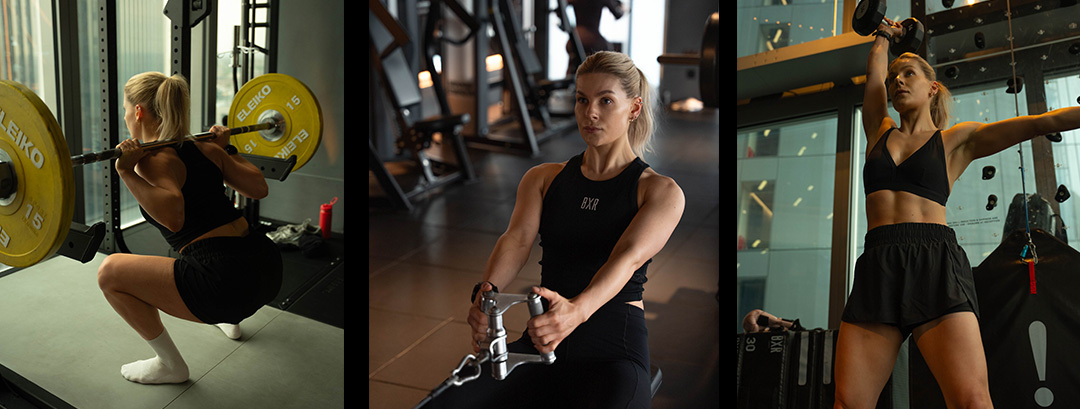
The truth about women and resistance training
One of the most common fitness myths is that resistance training will make women bulky. This simply isn’t true. Women naturally have much lower testosterone levels than men, which means they do not gain large amounts of muscle easily. Building noticeable muscle size requires years of focused, progressive training, even for men.
What most women actually experience from resistance training is increased strength, better muscle “tone” through improved body composition. In other words, they look leaner and more defined, not bigger. If someone feels they are “bulking,” it’s usually because fat loss hasn’t happened yet on top of the muscle, not because muscle growth is excessive. Once body fat decreases, limb circumference reduces, muscles appear firmer and more sculpted, often at the same overall size as before.
Why resistance training improves bone health
While Pilates, yoga, and group fitness classes offer many benefits, they don’t provide enough resistance to significantly strengthen bones on their own. Resistance training places healthy stress on the skeleton, which helps maintain and increase bone density.
This becomes especially important as we age. Especially for women after menopause, as bone density naturally decreases, increasing the risk of osteoporosis and fractures. Resistance training is one of the most effective ways to protect bone health, maintain mobility, and support long-term independence.
Resistance training and longevity
Muscle strength isn’t just about looking fit; it is strongly linked to living longer. Studies consistently show that people with greater grip strength and thigh strength tend to have a lower risk of early death. These are not qualities developed through light movement alone.
Progressively lifting weights helps maintain functional strength for everyday life, such as climbing stairs, carrying groceries, and preventing falls. This kind of strength becomes increasingly valuable with age. After the age of 35, we naturally lose muscle each year; therefore, what we find hard at 35 will be impossible when we are retired. So resistance training helps maintain or improve strength and muscle mass levels for longer.
Also, muscles consist of two types of fibres: type 1, which are endurance, and type 2, which are the fast, powerful fibres we use for lifting, jumping, and quick reactions. If we don’t use them regularly, the body slowly stops prioritising them. Over time, they shrink, become harder to activate, and some begin to behave more like type 1 fibres, which are slower and built for endurance. This means we lose strength, power, and stability as we age. The good news is that resistance training reactivates these fibres. By resistance training and challenging the muscles with enough load, we signal the body to preserve and rebuild type 2 fibres, therefore, helping maintain strength, function, balance, and resilience over time.
Metabolism and the reduction of fat mass
Another major benefit of resistance training is its impact on metabolism. Metabolism is a bunch of chemical reactions that turn food into energy. Therefore, as muscle burns more calories at rest than fat, the more energy your body uses throughout the day. As a result, this can aid in supporting long-term fat management and metabolic health.
Resistance training also improves blood sugar control, reduces harmful visceral fat, and lowers the risk of conditions like type 2 diabetes. Low-load class workouts tend to produce smaller changes and lower rates of fat loss when practiced alone.
Pilates, yoga, and cardio still matter
None of this means Pilates or yoga should be avoided. These forms of movement are excellent for flexibility, balance, posture, injury prevention, and stress reduction. They play an important role in overall wellness and mental health.
The issue arises when they are the only form of exercise someone does. No single workout style provides everything the body needs.
Conclusion
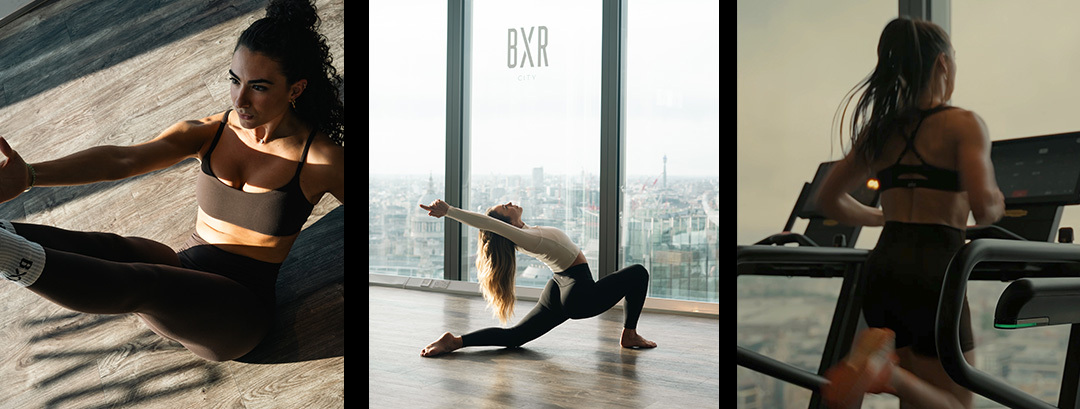
For optimal health, longevity, strength, and body composition, the most effective strategy is a balanced fitness routine. This includes:
- Resistance training for muscle, bone health, and metabolism
- Cardiovascular exercise for heart and lung health
- Mind-body practices like yoga or Pilates for mobility and stress relief
Strength training does not make you bulky; it makes you stronger, healthier, and more resilient. When combined with other forms of movement, it supports a body that looks good, feels capable, and functions well for years to come.


